

Seeing this newsletter in your inbox today, you may ask yourself—is this yet another spontaneous dispatch from Matt straying from the typical publish date of my favorite newsletter, The Wm Brown Weekly? But alas, no—we are officially changing our publish date to Friday. While we know that there’s nothing better than a good weekend read, for my editors’ sakes, especially my daughter who is the official publisher of this newsletter—they (and I) can have our weekends free. So here we are! Think of it now as the “official” start to the weekend. Read it on the subway on your way home from work, or save it for a lazy Saturday morning read in bed with a strong cup of coffee. Nothing has changed, it’s still the good old hard hitting journalism of menswear and Wm Brown Style—just now on a Friday. And not to worry, there will never be a “happy Friday” message here… EVER. Enjoy!
DRESS CODE
At a time when the future of tailoring still feels up for grabs, few are doing it better than Buzz Tang, co-founder of the custom and ready-to-to-wear menswear brand The Anthology. Below he shares his thoughts on everything from honey-colored jackets to Bruce Wayne.
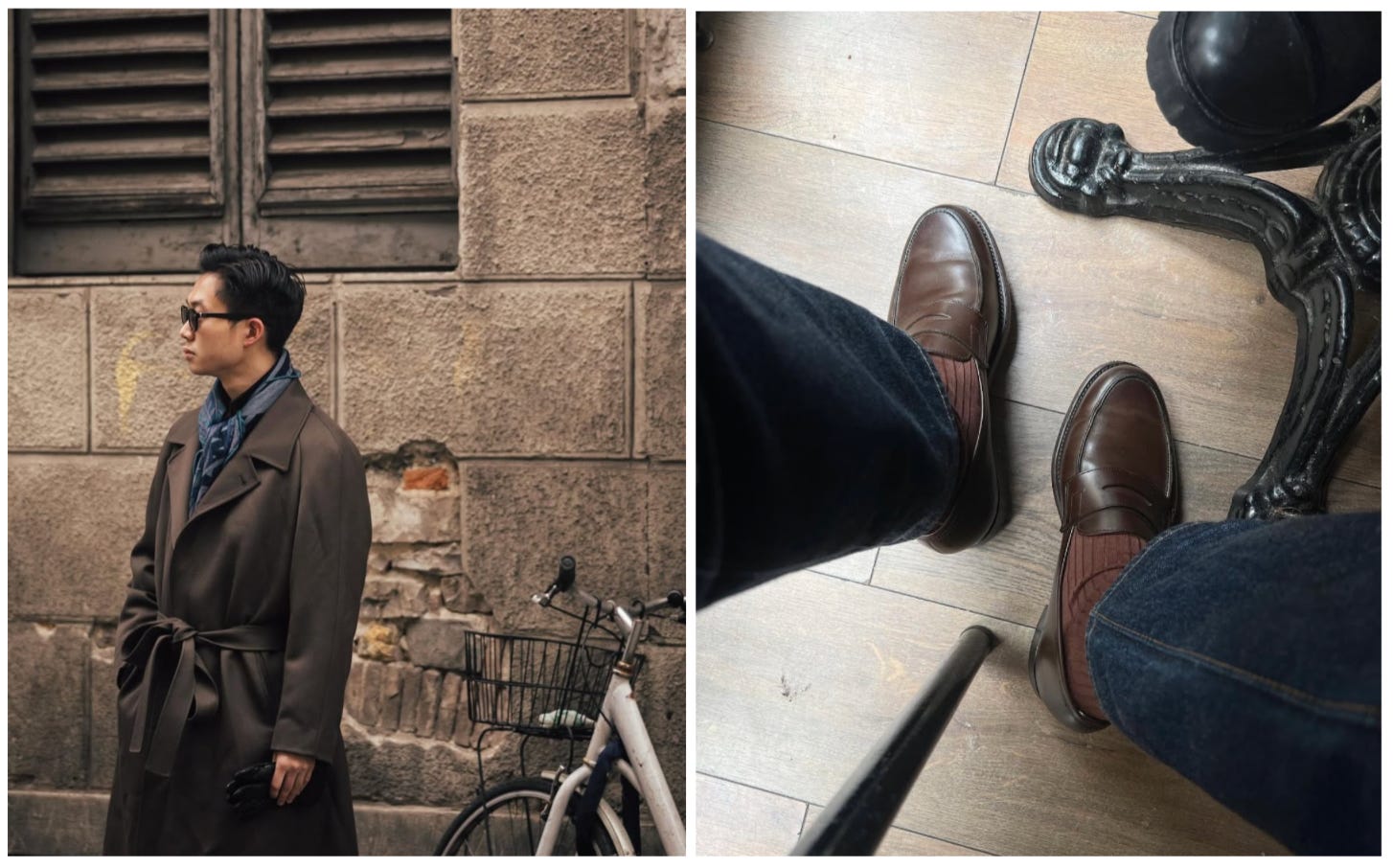
How early do you remember being interested in clothing—and how?
Pretty early, actually. My mum was always into arts and aesthetics, so I like to think it runs in the blood.
One of my earliest memories is of a pair of dark olive-brown boots she got me for Christmas when I was about seven. Sleek, zip-up, and impossibly cool—I couldn’t tell you the brand, but I can still picture them now. They were the first pair of shoes that made me think: clothes can feel special.
The real deep dive came when I was fifteen. My late uncle bought me my first pair of Purple Label trousers and a pair of John Lobb loafers. That’s when I realised tailoring had this incredible staying power. Plus, I love how small details—the lapels, pockets, cut—speak volumes about where it comes from and the culture that shaped it.
How would you describe your personal style in two words?
Tailored, relevant. I’ve always loved tailoring and classic styles but I’m also a big advocate of staying and looking relevant. It’s got to feel right now, not like a costume.
If you have a uniform, what does it look like?
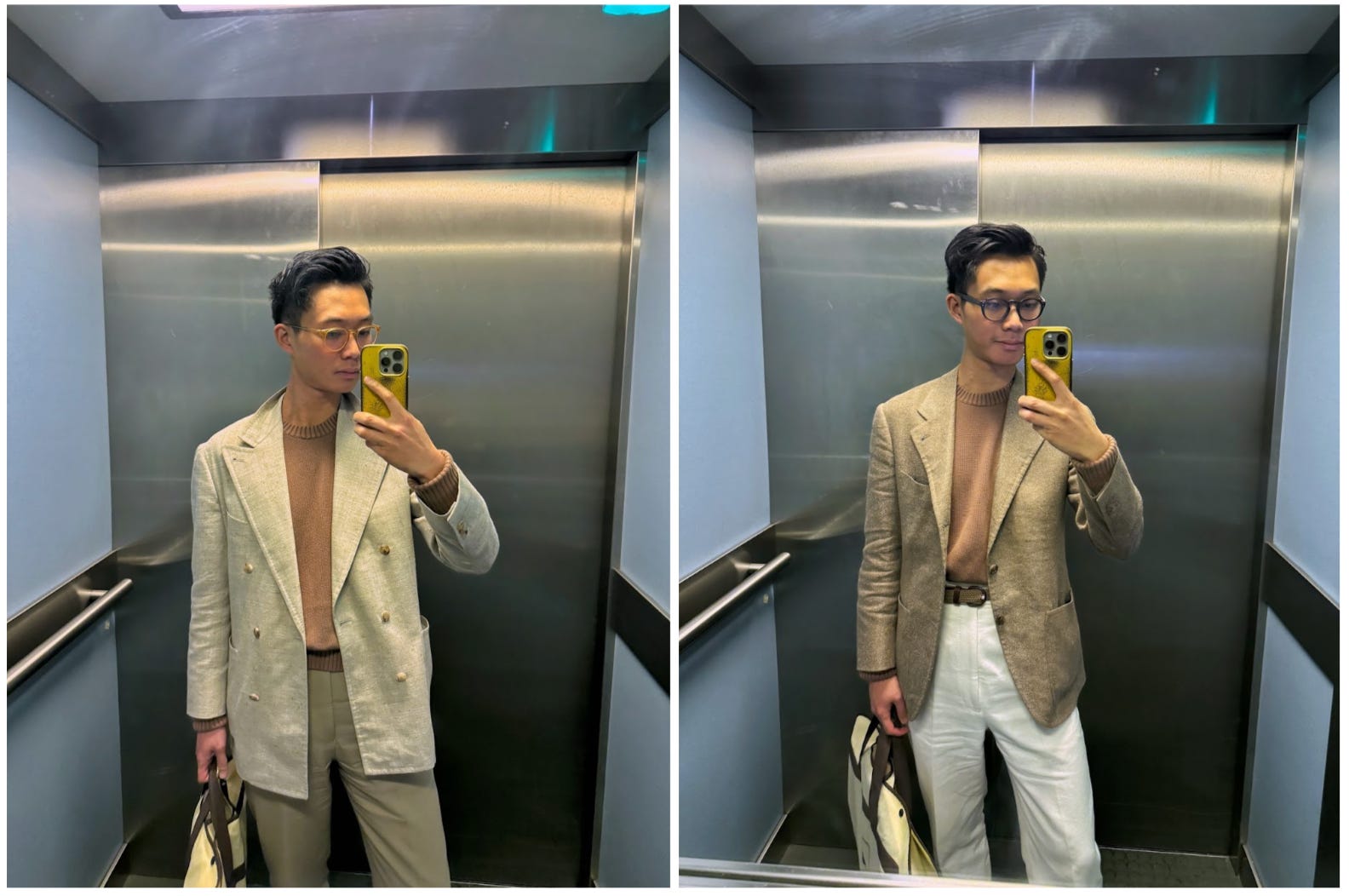
A warm-toned jacket in honey, tan, or brown, with a clean layer underneath— shirt, polo, or knit—paired with white trousers and loafers, always.
I like it simple, approachable, but with a twist. Warm palettes feel welcoming, not intimidating. It’s very me. And judging by how many Anthologists (our patrons) wear a version of it, I’d say it’s easy to pull off too.
Who was your style icon when you were young?
Hands down, Bruce Wayne. I mean, what’s not to love about a suave billionaire with an arsenal of Armani suits? Every version of him—from Keaton to Bale, also the various animated versions—oozed style.
Who is your style icon now?
Honestly? Not sure I have one. These days I draw more from our customers— they surprise me with how they combine things.
Occasionally, I nod to the magnates of old, especially those who are in the business of fashion. Tod’s CEO Diego Della Valle’s eyewear, Sergio Loro Piana’s understated elegance, the recently passed Giorgio Armani, of course. Industrialists like Aristotle Onassis or Gianni Agnelli are also cool, but often mentioned, so it is no surprise they made it to the list.
They had access, yes, but more importantly, they had grit and wit. Their style wasn’t apologetic—it was theirs. That’s what I find most inspiring.
How often do you edit your closet, and how?
I thankfully fall in love and work with things that are generally quite timeless. Of course, colours and silhouettes of particular seasons have their ebb and flow. So every now and then I make small additions with things that excite me to my core wardrobe.
But in terms of a full makeover, not often, I must admit, I’m more of an accumulator. My core pieces are still ever relevant, and I only let go if they don’t fit me.
My style evolves as I head into the different pockets of design. But all in all, my style remains consistent.
What's your travel kit?
For airports, it’s always a jacket with plenty of pockets—usually The Anthology’s Lazyman. I’m betting it’d be a gilet at some point!
Essentials are earplugs, eye mask, skincare, and, less glamorously, allergy and alcohol pills (I’m sensitive to many things).
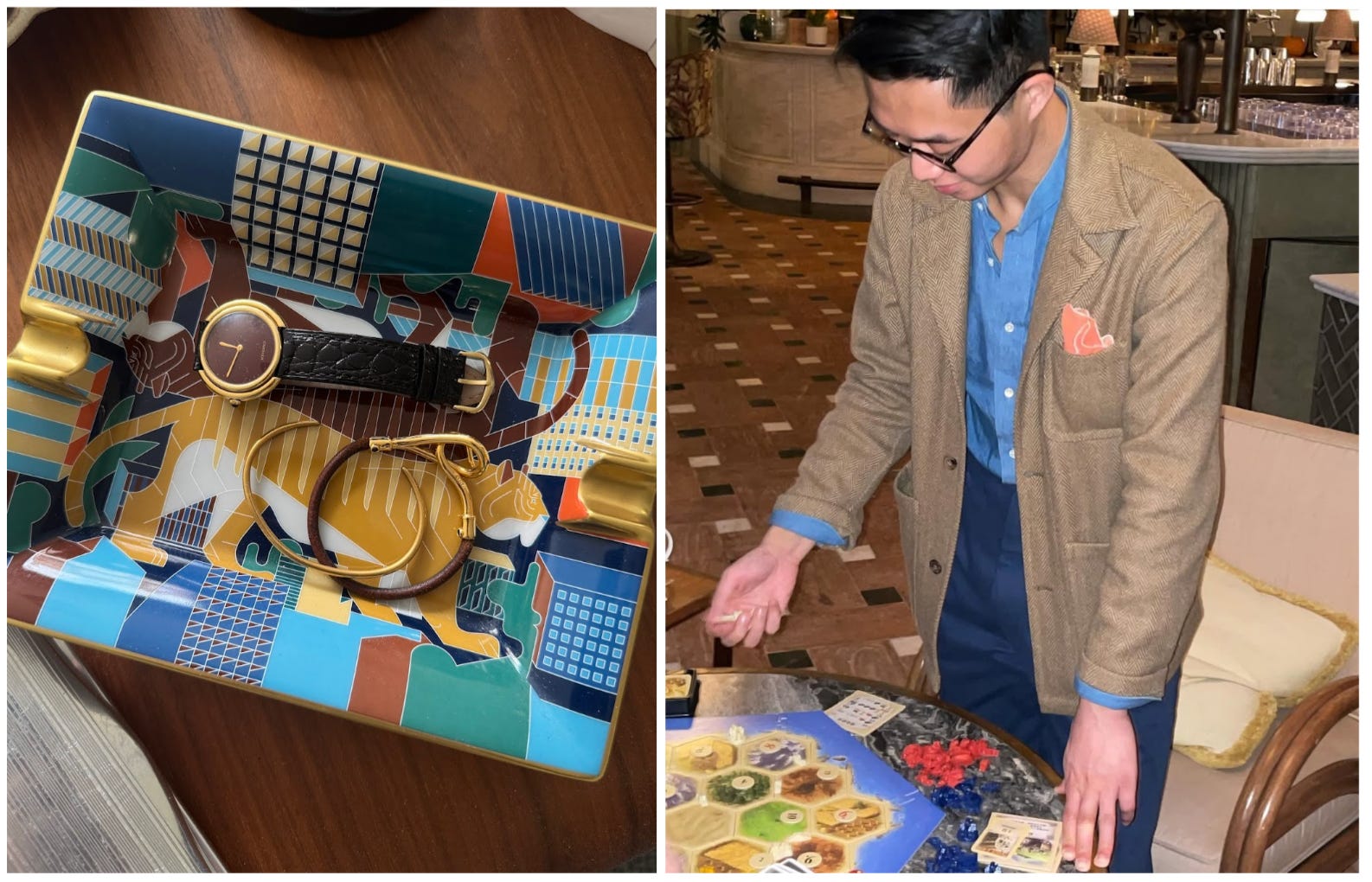
One thing I never leave behind is a gold bracelet I gifted myself and my girlfriend back in 2017. Even if it’s not on my wrist, it’s in my bag.
Is there an article of clothing you got rid off—but wish you'd kept?
Not really—I just wish I hadn’t outgrown some favourites. That’s life. The bigger regret is not buying pieces I loved at the time. They still haunt me, but occasionally we recreate something similar in the studio with inspiration drawn from those that lived in my mind rent free!
What would you never, ever part with?
Objects that are beyond tangible. Sentiments are something I value the most.
- My late uncle’s Patek. Cheesy as it may sound, it’s not quite the “father to son” Generations campaign but it is a piece of memory my father and I hold dear. He was my dad’s best pal.
- This vintage Lanvin striped tie I picked up in Paris when I was in university. My girlfriend and I have a funny story about it. Our friends would know.
- An ashtray from Hermès my girlfriend gifted, which I’ve been treating as a change tray/organiser all these years… also the gold bracelet I mentioned earlier.
Last but not least, my first Anthology jacket—it marked the beginning of everything.
What style rule is worth breaking?
Frankly, most of them in this day and age, but most particularly, I think it would be the “matching belts to shoes” rule. It’s almost impossible unless they’re from the same maker. Of course, there’s a general rule of thumb— obviously no black and brown, but a reasonably harmonious pairing. An olive belt with olive shoes? It’s too ‘matchy-matchy’. No, thanks.
Which isn't?
Bad fit and bad hygiene. Sorry to have gone off on a tangent.
If you had to buy from a single designer/brand for life, it would be...
Tough one, I like mixing ideas so sticking to that one is difficult. I wanted to say The Row, but that’s not me. With no budget constraints, I’d say Hermès—not just for the leather, but also for their clothing. From Margiela’s era to Gaultier to Lemaire to Nadège today, they all brought something unique to the table, not to mention they are all important, individual figures of the clothing industry. I love the way they combine classic and modern, as well as craft and ideas.
What independent designer/store deserves more attention?
Any craft-focused label that puts longevity over trends. We live in an age of fast turnover and faster waste. Clothes should age with you, tell stories, develop patina. That’s what makes them worth keeping.
What style advice would you give your younger self now?
Be more adventurous. Style is expression. As you mature and grow older, you may become less adventurous because you worry that people will judge you. But that shouldn’t stop you from being who you desire. Trial and error is an important part of exploring who you are if clothing is a part of your language.
One thing I never regretted was investing in craft. It does pay off in the long run.
COFFEE TALK
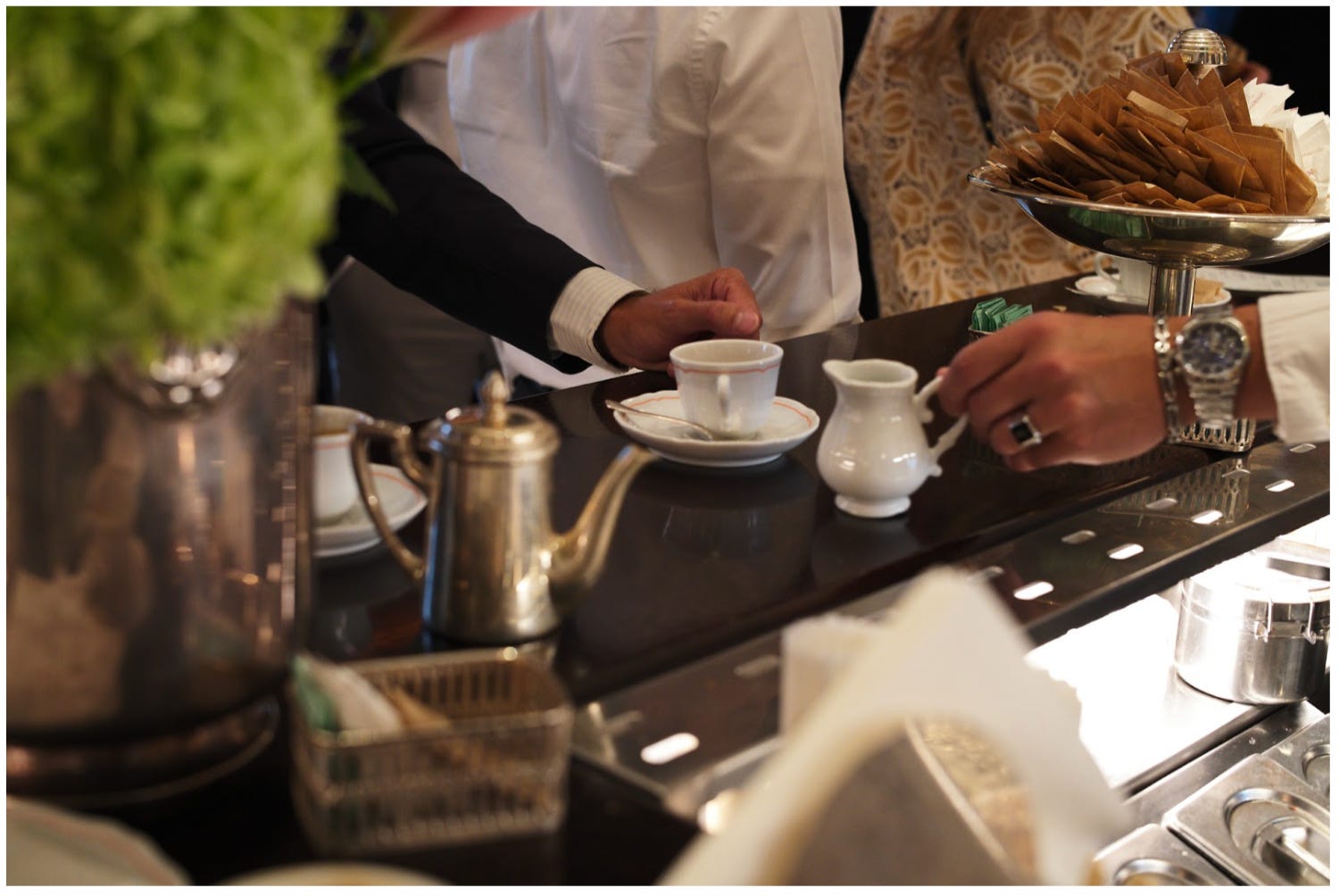
The unspoken rules governing Italian coffee culture can feel as intense as a freshly pulled espresso shot. So for the benefit of all non-Italians, our friend Cae Normanha—a skilled photographer based in Milan—answered our questions below, peppered with some of his own photography.
What are the basic Italian coffee "rules" travelers should be aware of?
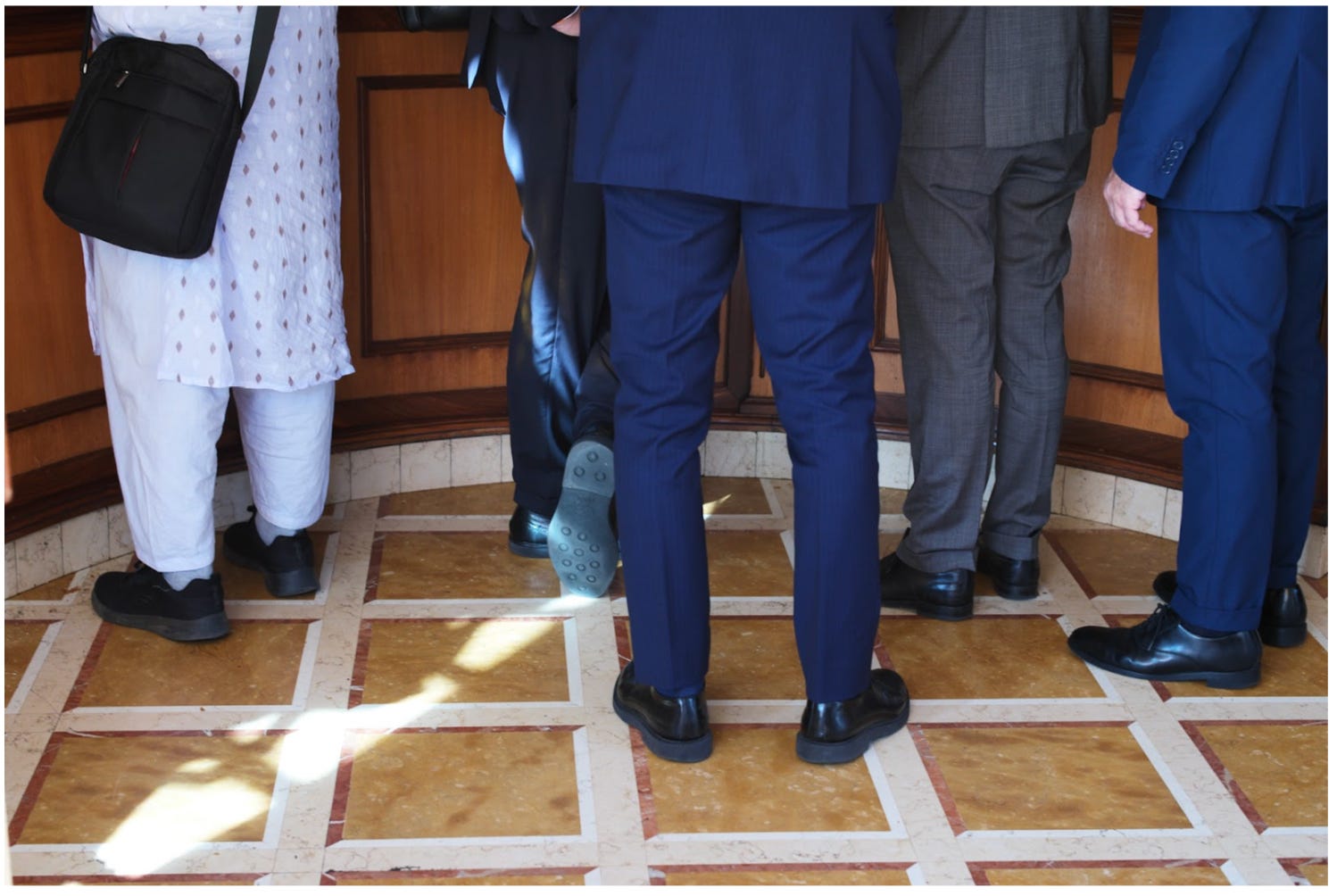
In Italy, coffee is not a novelty drink but a ritual repeated millions of times a day. Order a caffè (never an “espresso”) and expect efficiency. At a train station in the morning, you stand at the bar, drink quickly, and move on. Speed is part of the ritual: two or three sips at most. The custom is democratic, the banker and the delivery guy both pay the same price, and drink it the same way.
There are other subtleties to observe. In many bars, you pay first and hand your receipt (scontrino) to the barista. And know that standing al banco always costs less than sitting al tavolo. These unspoken rules are as integral to the experience as the coffee itself.
How much do they change regionally, or from the north to the south?
Within Italy we are talking about the same coffee but with subtle differences. Generally speaking, southerners have more cups of coffee throughout the day than northerners. But one that stands out for me is the intensity and consistency of the coffee that can be found from region to region. For example having a bolder, stronger and shorter espresso (ristretto) in Napoli, as opposed to a less acidic and creamier coffee in some other regions can be a good start to this epic conversation. In summer, there is the Milanese ritual of a caffè shakerato, espresso shaken over ice and served in a stemmed glass, which is considered entirely correct.
Which are considered "ok" to violate?
A coffee “to go” is sometimes accepted, though not without a raised eyebrow. It will certainly come with questions—could you not spare the two minutes to drink it here? If you want to bend the rules, do it with style: a macchiato after lunch, or a chilled caffè freddo in summer.
Which should you never try to bend?
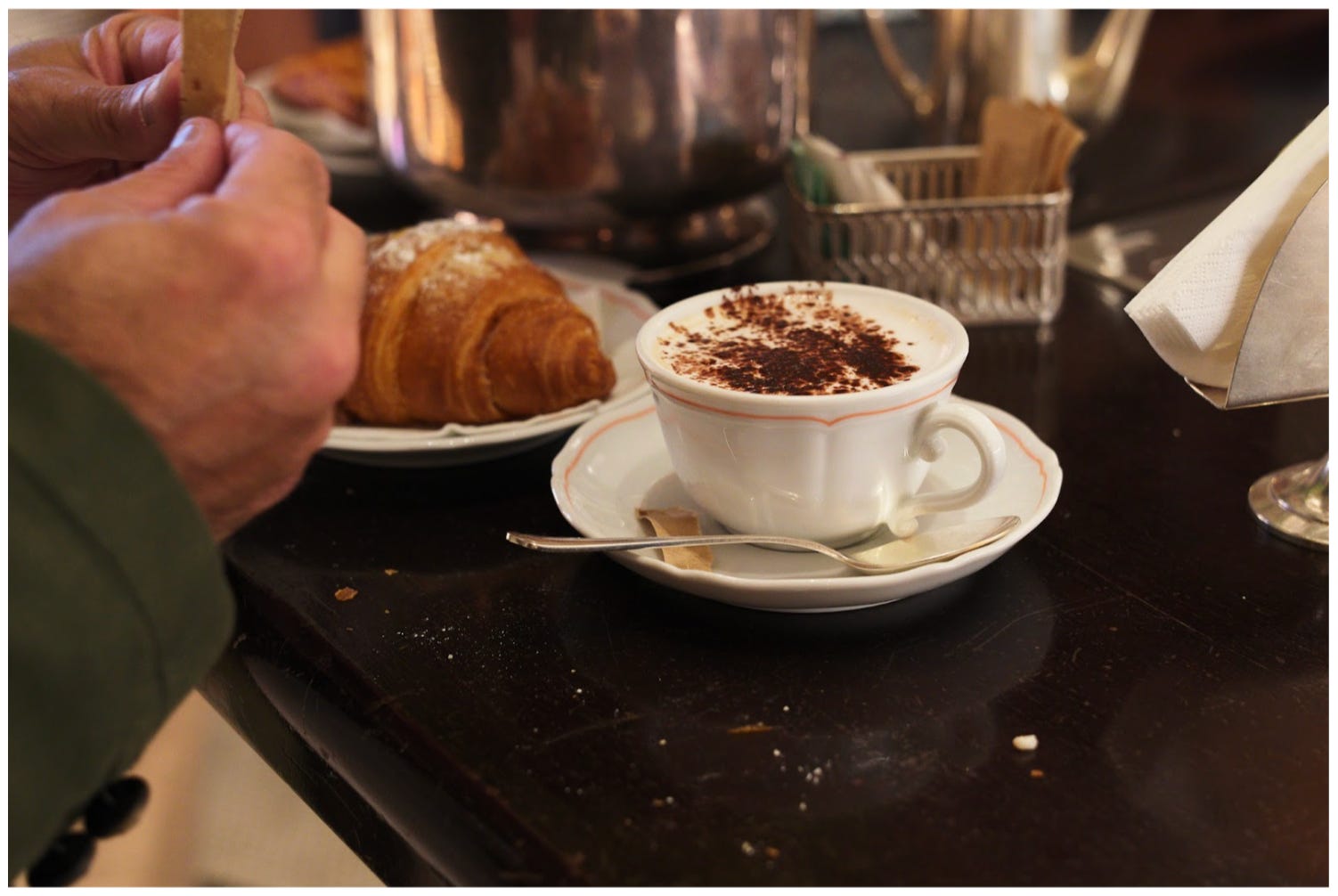
The great heresy is cappuccino after noon. In Italy, milk-based coffee is a breakfast drink, never taken after a meal. Asking for ice in your caffè is also frowned upon.
What's the correct way to order your coffee?
Order simply. Un caffè always means espresso; there’s no need to clarify. A caffè lungo is a slightly longer pour, a ristretto a more concentrated one, an americano an espresso lengthened with hot water. Milk-based drinks are limited to the cappuccino, caffè latte, or caffè macchiato, and all of them belong to the morning hours. If you start adding bells and whistles just make sure you are at a right place where Italians speak English and are used to making creative drinks for foreigners. Additions like syrups, flavored foams and custom milks are the realm of international hotel bars, not Italian caffés. The elegance of Italian coffee lies in its restraint.
And perhaps most importantly, what's the right way to drink it?
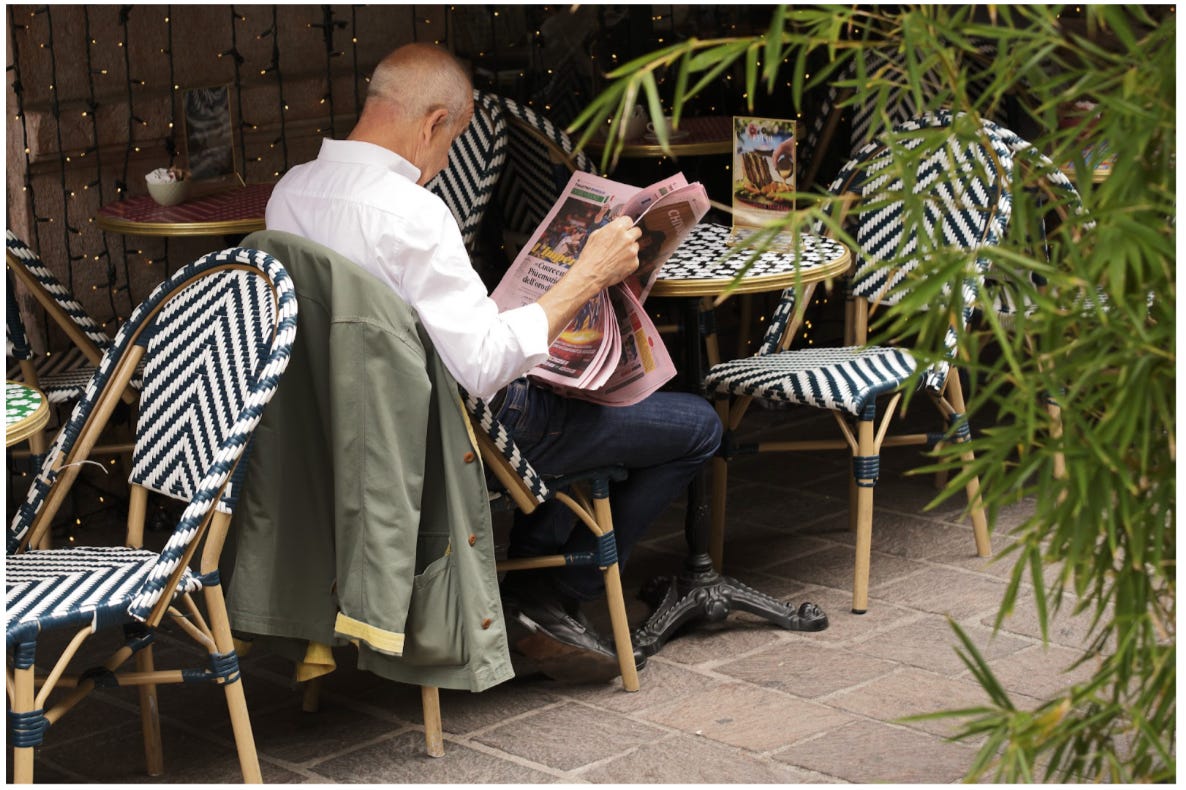
People should be able to enjoy the most popular beverage in the world however they want. But within the walls of Italy, there are customs worth observing. At the bar, coffee is taken standing, al banco (at the bar) like a local or you can sit down with a cappuccino and a cornetto for breakfast. After lunch or dinner, an espresso is the proper punctuation to a meal.
To drink coffee in Italy is to participate in a choreography perfected over time. It is not performance but ritual, the symbol of a lifestyle.
THE LIBRARY
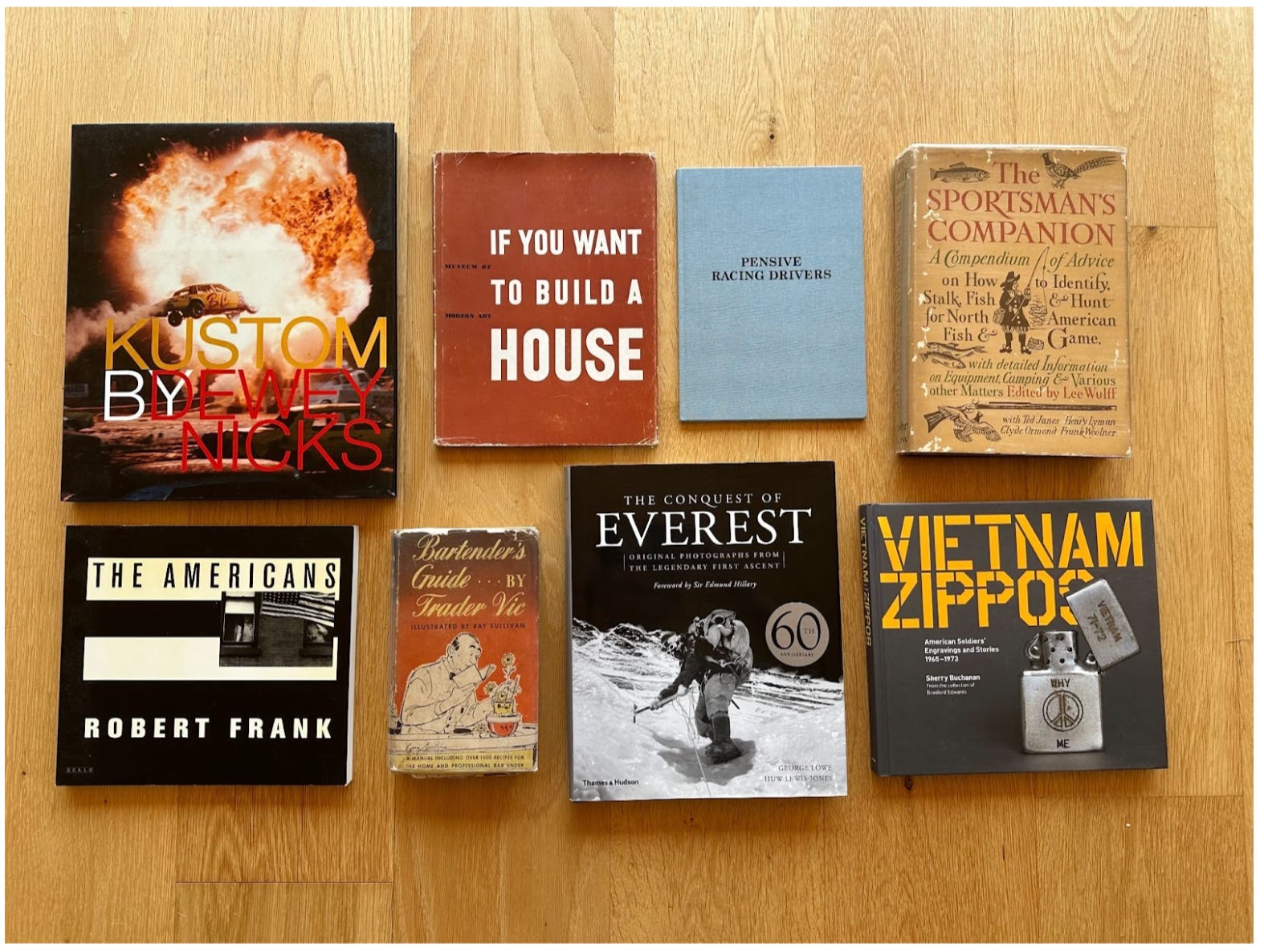
I have many books. Hundreds of books actually—most of them are photo heavy or cookbooks. I keep most, if not all of them, at the farm upstate, where I actually have the time to sit down with them for inspiration. Sometimes these pages inspire an evening meal or cocktail, and at times, have even become fodder for a Wm Brown story. The quick edit this week ranges from photo monographs to collecting to cocktails. I dig these up in book shops (new and used) library sales and junk shops. I love the hunt for these and I encourage you to do the same.
Kustom by Dewey Nicks
If You Want To Build a House, MOMA
Pensive Racing Drivers, Max Küng
The Sportsman’s Companion, Lee Wulff
The Americans by Robert Frank
Bartender’s Guide by Trader Vic
The Conquest of Everest by George Lowe and Huw Lewis-Jones
Vietnam Zippos, Sherry Buchanan
Nice to see some Italian coffee "rules" from an Italian who knows, rather than all the content farm articles online. Thanks!
Just perfect to round of the workweek with a short inspirational read and a Negroni.